
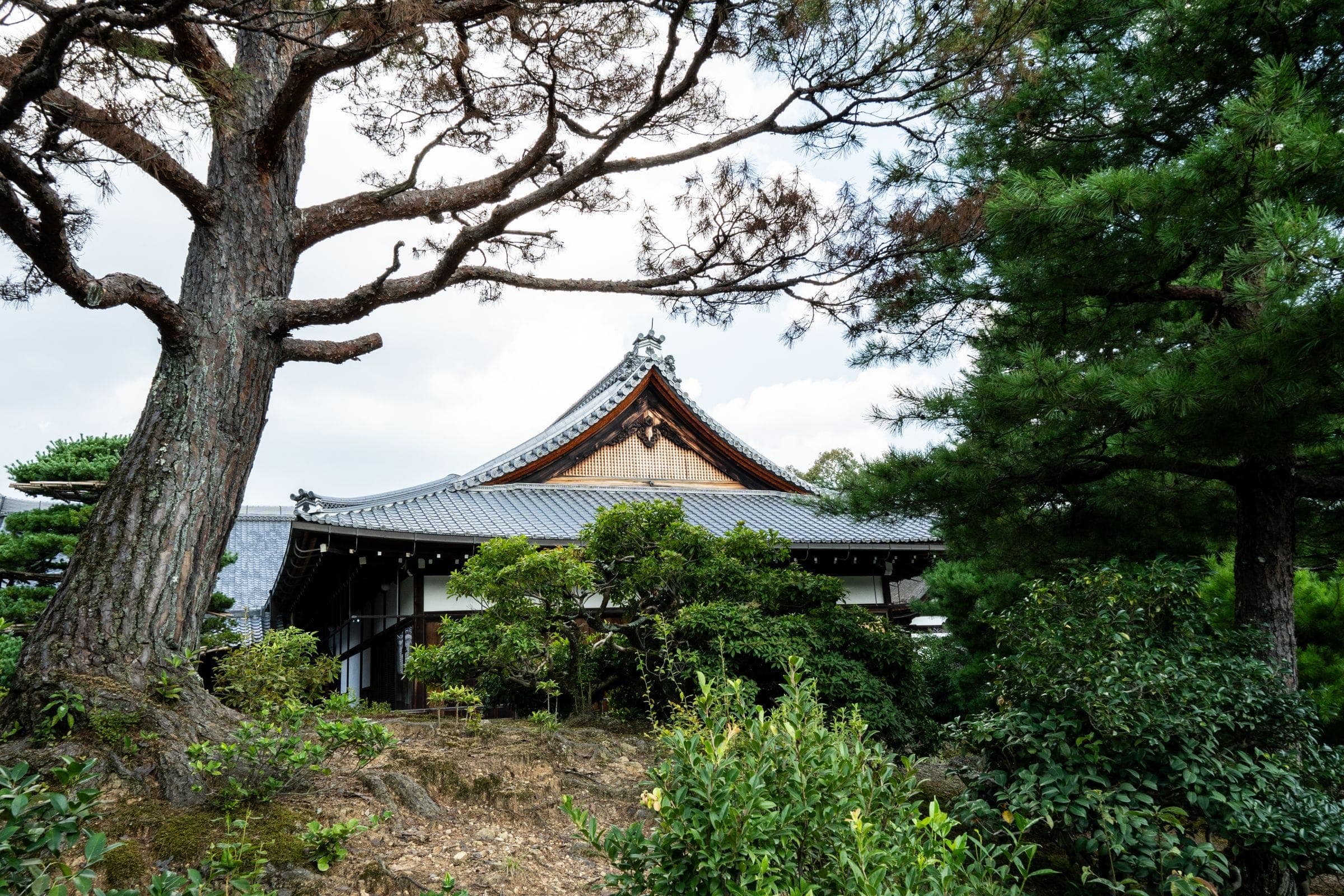
Japan
Tokyo and Kyoto
The most rewarding country in the world to travel well in, and the hardest to improvise.
Tokyo is enormous, orderly and endlessly detailed, a city of neighbourhoods that each behave like separate towns. Kyoto, two and a quarter hours away by train, is low, old and seasonal, organised around temples, gardens and a food culture of extraordinary precision.
Japan repays planning to an unusual degree. The best restaurants take a handful of guests, book weeks or months ahead, and often require an introduction. Ryokan rooms in Kyoto during autumn colour or cherry blossom are committed a year out. Almost nothing good here is available on the day.
Spring and autumn are the sought-after seasons for precisely this reason, and they are also the most competitive. Winter is quiet, clear and underrated.
01
Why go
The food, without qualification
From counters seating eight to department-store basements, a depth and consistency no other country matches.
Kyoto’s gardens and temples
Best early in the morning, best with a guide who can get you in before the crowds.
Design, craft and shopping
Contemporary design, centuries-old workshops, and retail executed with unusual care.
Hotel bars and small rooms
A drinking culture built around eight-seat bars and hotel rooms with views over the whole city.
02
Arrive
Tokyo is served by Haneda, which is close to the city and handles business aviation, and Narita, which is further out. Kyoto is reached from Tokyo by shinkansen in around two and a quarter hours, or via Osaka’s airports.
The train is genuinely the right way to move between the two cities. Luggage forwarding between hotels is a standard, inexpensive service and makes travelling with the train far easier.
- Haneda is closer to central Tokyo than Narita
- Shinkansen is the practical Tokyo–Kyoto connection
- Luggage forwarding between hotels is standard and worth using
- Peak seasons (blossom and autumn colour) are booked far ahead
03
Stay
In Tokyo, international hotels with the high-floor views, and a growing set of smaller design properties. In Kyoto, the choice is between international hotels and ryokan, the traditional inns where tatami rooms, kaiseki dinners and the service itself are the cultural experience.
Machiya townhouse rentals in Kyoto are a genuine alternative for families and groups who want space and a kitchen.
- Ryokan stays are a cultural experience, with their own etiquette
- Machiya townhouses suit families and longer stays in Kyoto
- Peak-season Kyoto accommodation is committed a year ahead
04
At the table
This is the core of the trip. Sushi counters, kaiseki, tempura, yakitori, soba, and a fine-dining scene that runs from three-star rooms to eight-seat counters with no sign on the door. Many of the best places take very few guests, require reservations far in advance, and some accept only introduced guests.
Magnara approaches restaurants on your behalf and is honest about what is realistic on your dates. Private rooms are available at many establishments and are the practical route for groups, since most counters simply cannot seat more than a few people together.
- Reservations at leading counters are requested months ahead
- Some establishments accept only introduced guests
- Private rooms are the practical option for groups
- Dietary restrictions are difficult at traditional counters, so flag them early
- All requests remain subject to venue confirmation
05
After dark
Tokyo’s evening is built around small bars: Ginza’s cocktail rooms, Golden Gai’s tiny counters, hotel bars with views across the whole city. Kyoto’s Gion and Pontocho are quieter and older, with their own customs and, in places, a genuine reticence about visitors.
Some establishments do not accept guests without an introduction. This is a cultural norm rather than an obstacle, and Magnara will say plainly when a request cannot be met.
- Small bars and hotel bars rather than large venues
- Some establishments admit only introduced guests
- Kyoto’s traditional districts have their own etiquette
06
Celebrations and private events
Celebration dinners and small private gatherings suit Japan far better than large productions. Private rooms at restaurants and hotel venues carry most occasions, and the best of them are arranged months ahead, sometimes through an introduction.
A milestone evening here is usually built around the table: a private room at a leading restaurant, a kaiseki dinner at a ryokan, or a hotel bar with the city below. All of it rewards planning, and requests remain subject to venue confirmation.
- Small gatherings and celebration dinners rather than large events
- Private rooms at restaurants and hotels carry most occasions
- Leading venues are requested months ahead
07
Experience
Kyoto belongs to the early morning: temples before the coach parties, the bamboo at Arashiyama at seven, the markets. Tokyo by neighbourhood: the galleries and architecture, the department-store food halls, craft workshops, and a day trip to Hakone for onsen and Fuji views when it is clear.
With children, the museums, the trains themselves and the food halls do most of the work.
- Kyoto temples and gardens at first light with a private guide
- Craft workshops: ceramics, textiles, knives, lacquer
- Onsen and a night in Hakone for mountains and hot springs
- Tokyo neighbourhoods explored individually rather than as a list
Illustrative Journey
Six days in Japan
An illustrative shape splitting Tokyo and Kyoto. Subject to availability and supplier confirmation.
Day one
Arrive in Tokyo
Into Haneda, the hotel, and an early, simple dinner near the property to fight the jet lag.
Day two
Tokyo by neighbourhood
A guide for the morning, a department-store food hall at lunch, and a counter dinner reserved months ago.
Day three
Design and drinks
Architecture and galleries by day, a small Ginza bar in the evening.
Day four
To Kyoto
The shinkansen mid-morning, luggage forwarded ahead, and a kaiseki dinner at the ryokan.
Day five
Kyoto early
Temples at first light, a workshop in the afternoon, and dinner in Pontocho.
Day six
Onward
The market in the morning, then the train to Osaka or back to Tokyo for the flight.
Every service remains subject to availability and final supplier confirmation.
Continue from here
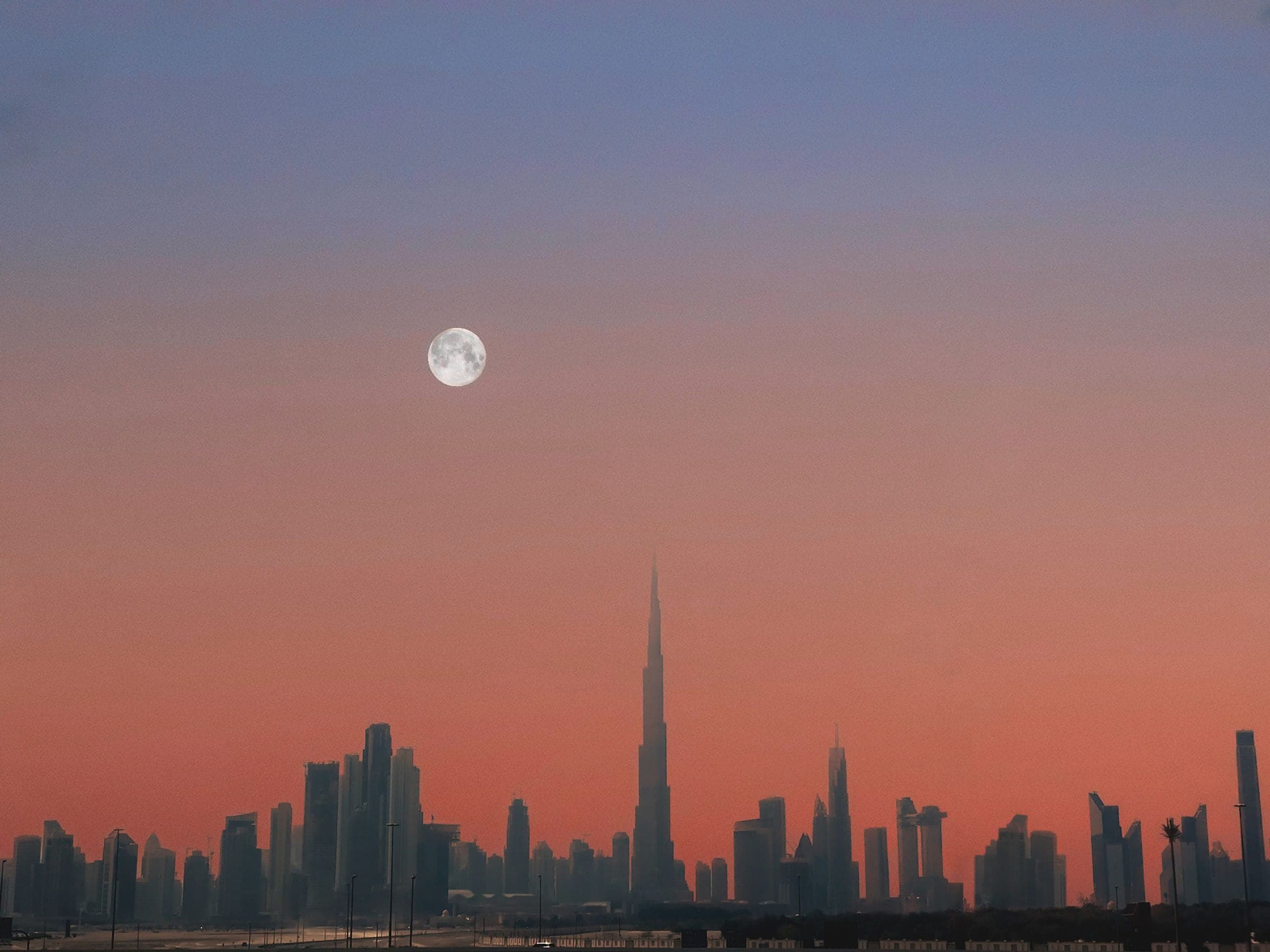
United Arab Emirates
Dubai
Resorts and residences, serious restaurants, desert an hour away and everything open late.
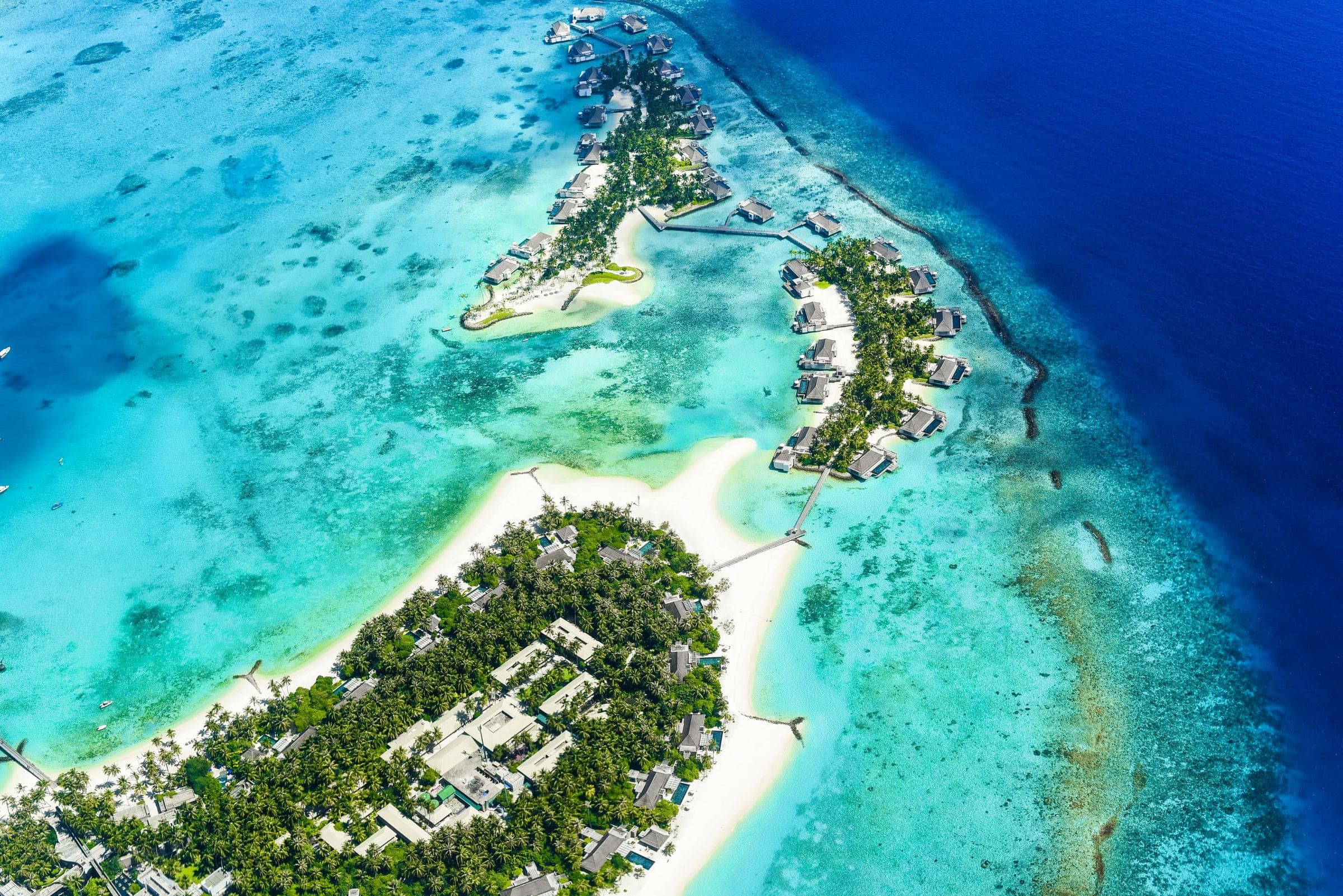
Indian Ocean
Maldives
Private-island resorts, overwater rooms, seaplanes and the clearest water on earth.
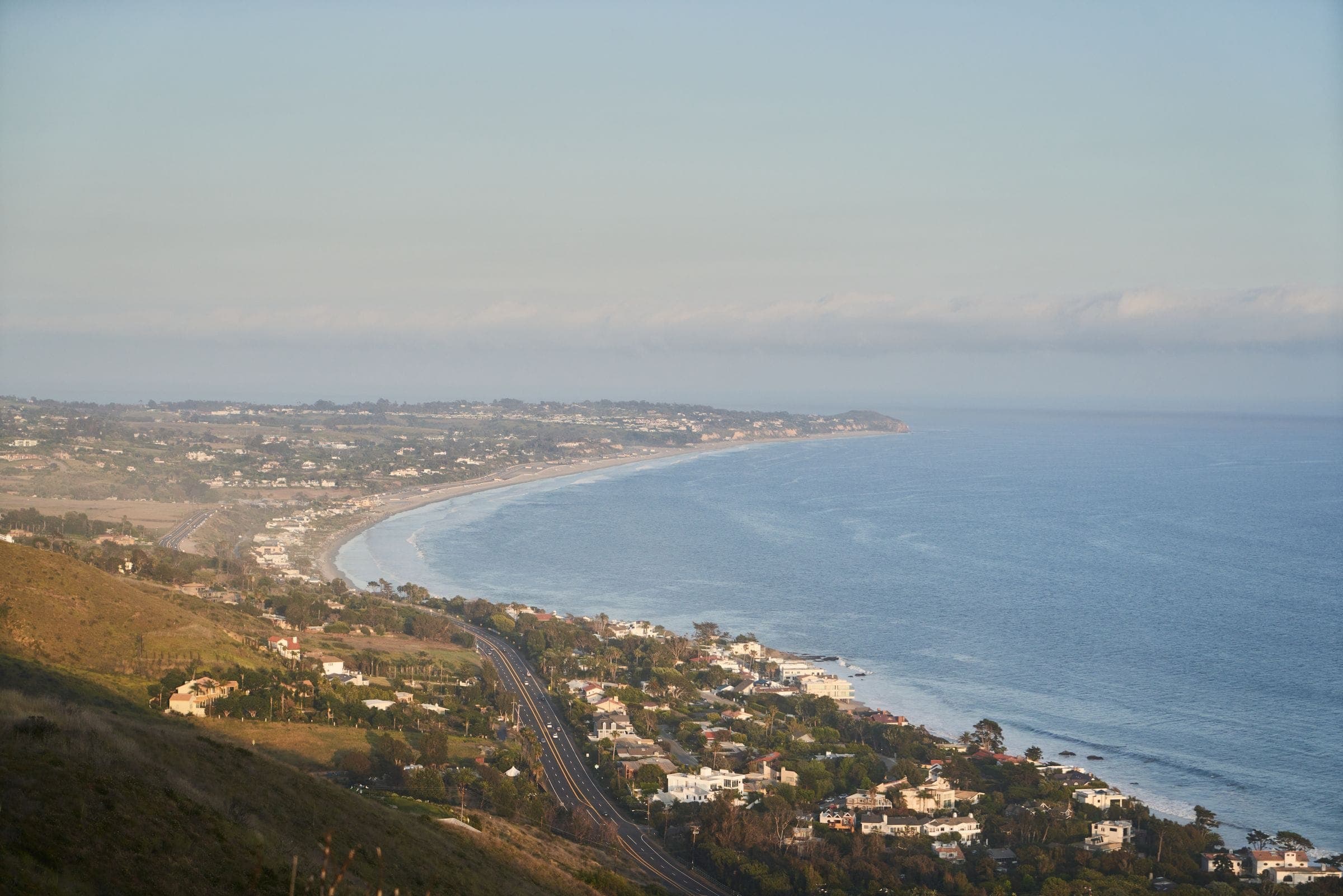
California, United States
Los Angeles
Private homes, the coast, restaurants worth the drive and evenings that need a driver.
Plan Tokyo and Kyoto with Magnara.
Photograph: Emanuele Ricciardi / Pexels